
Derby County, Bury, Bolton Wanderers... Now Reading: The financial problem with English football
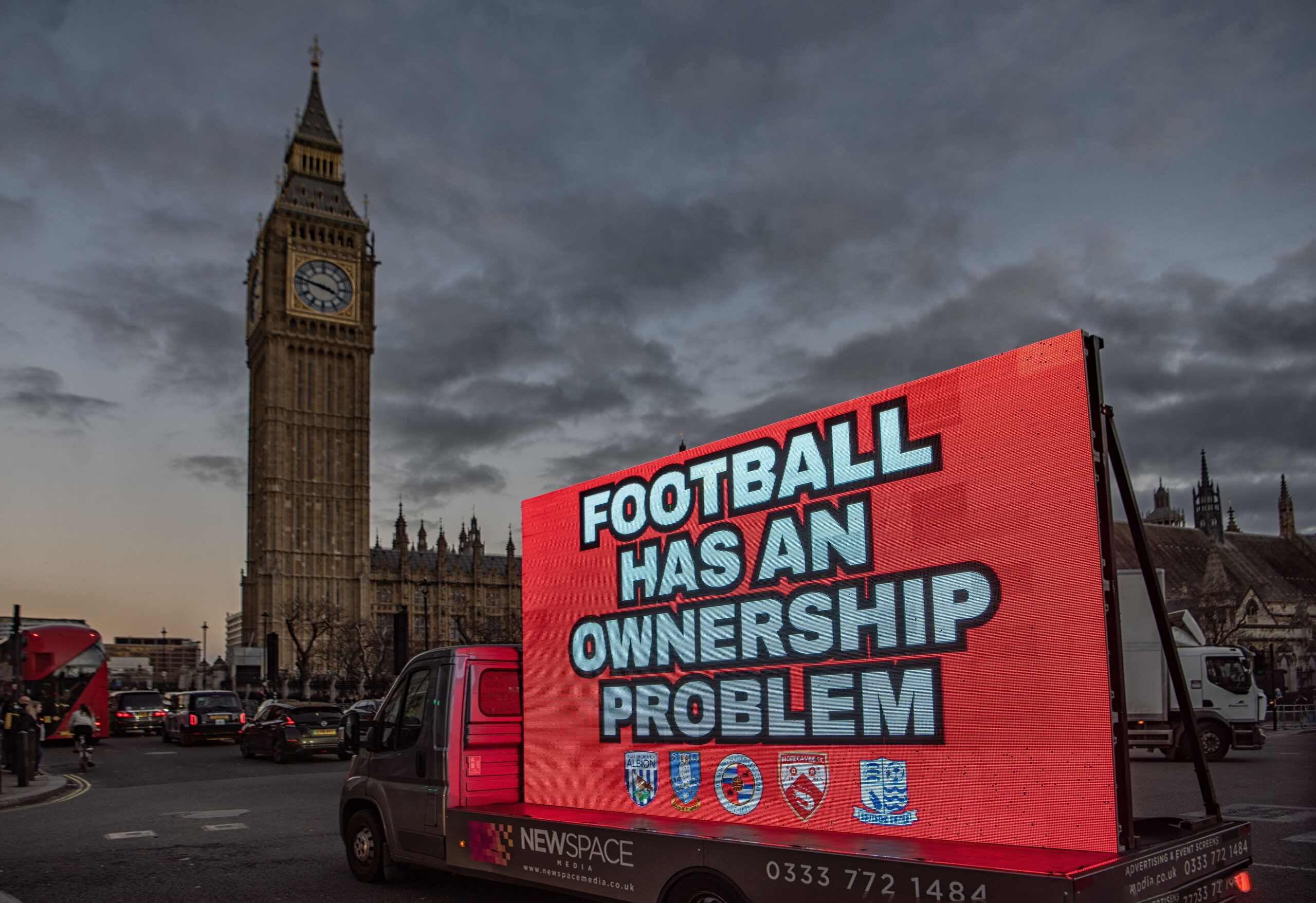

Reading FC are within weeks of going bust because of the financial system in English football right now.
Founded in 1871, that is over 150 years of history and heritage that could be gone for an entire community.
But they aren’t the first and they won’t be the last, unless there is serious reform to governance surrounding the ownership of football clubs in this country.
Bury went bust in 2019 after over 125 years of history and countless other teams have had near misses, with too many examples to talk about in great depth at once.
Here is a deep dive into the current situation at Reading and the general model of footballing finance that currently exists in England.
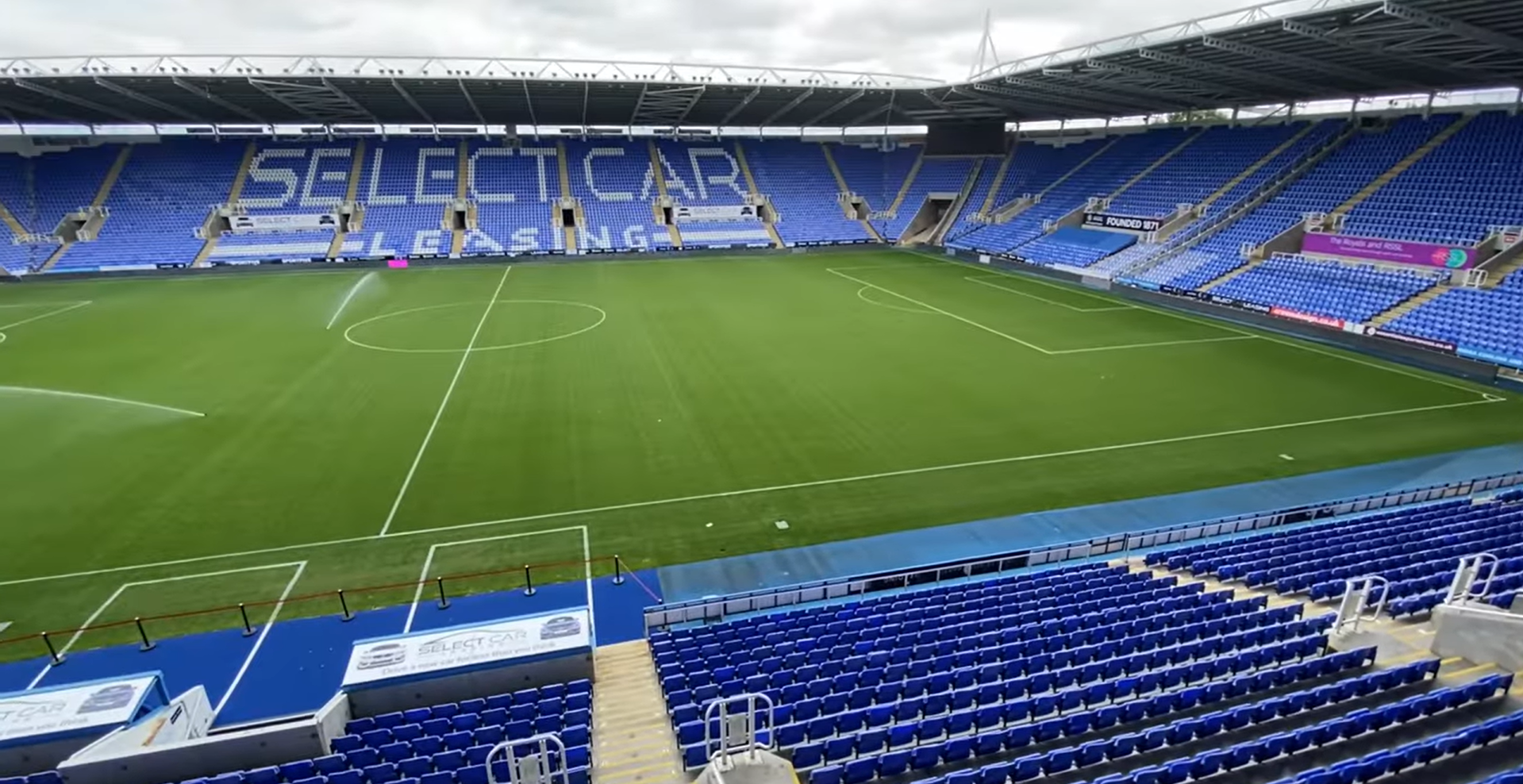
Select Car Leasing Stadium (Reading FCs stadium)- Could they be the next in the long list of English football clubs to enter administration and/or go bust?


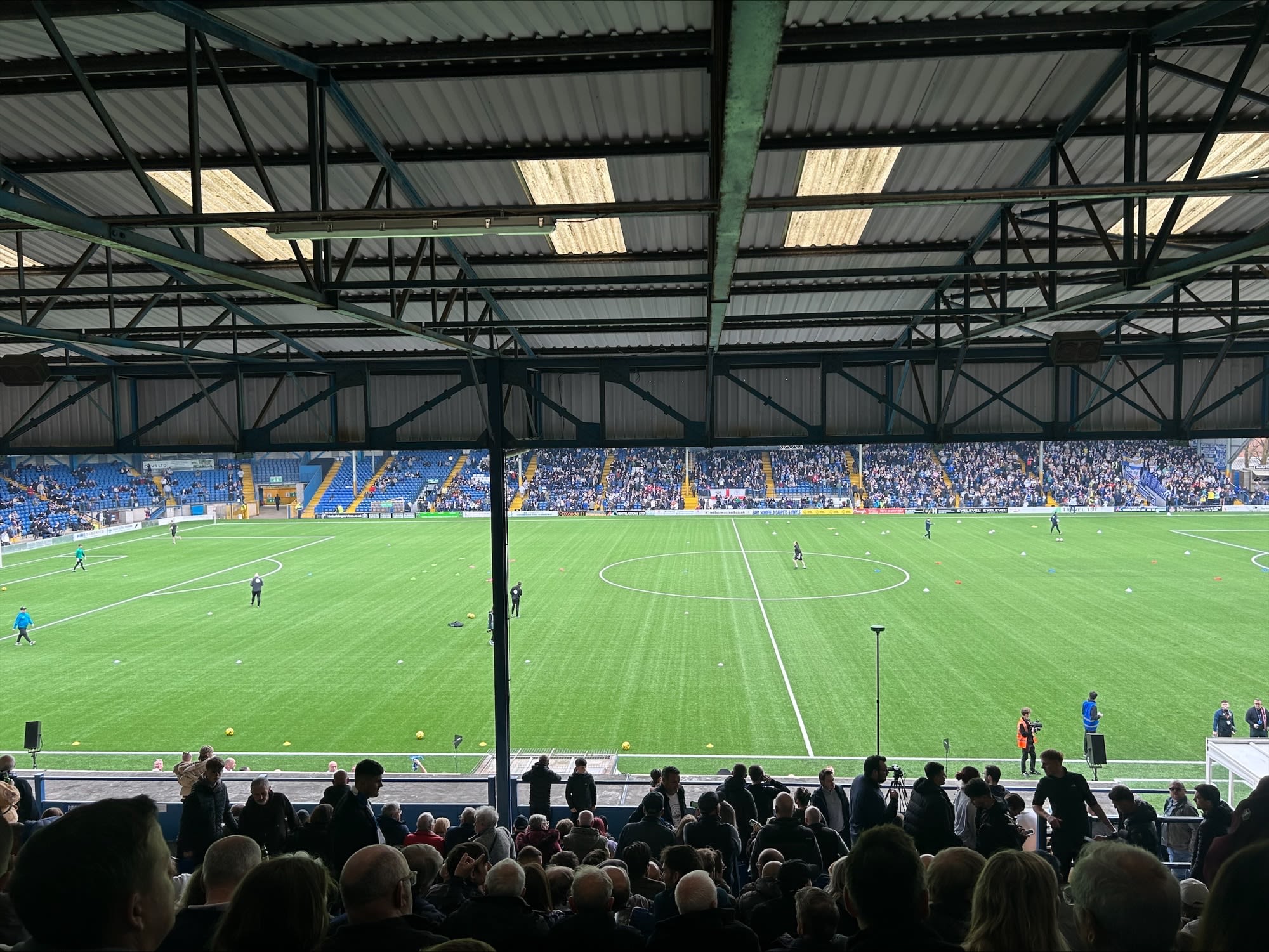
Bury FC (2019)- Went bust following promotion into League One, left a town without a football club and a gap in the community. Reformed club recently promoted from the nineth tier.
Bury FC (2019)- Went bust following promotion into League One, left a town without a football club and a gap in the community. Reformed club recently promoted from the nineth tier.

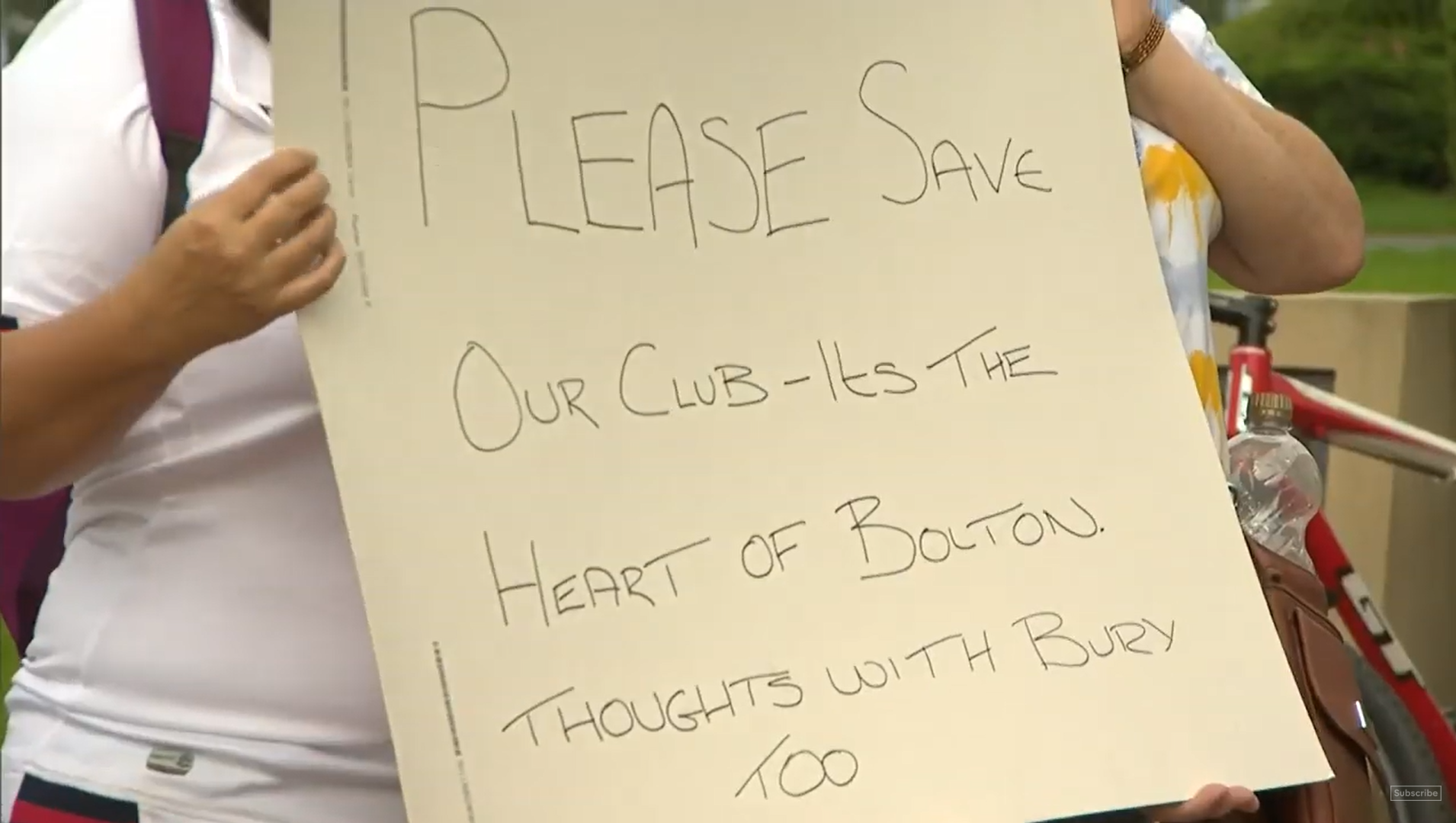
Bolton Wanderers (2019) - Just hours away from completely going out of business.
Bolton Wanderers (2019) - Just hours away from completely going out of business.

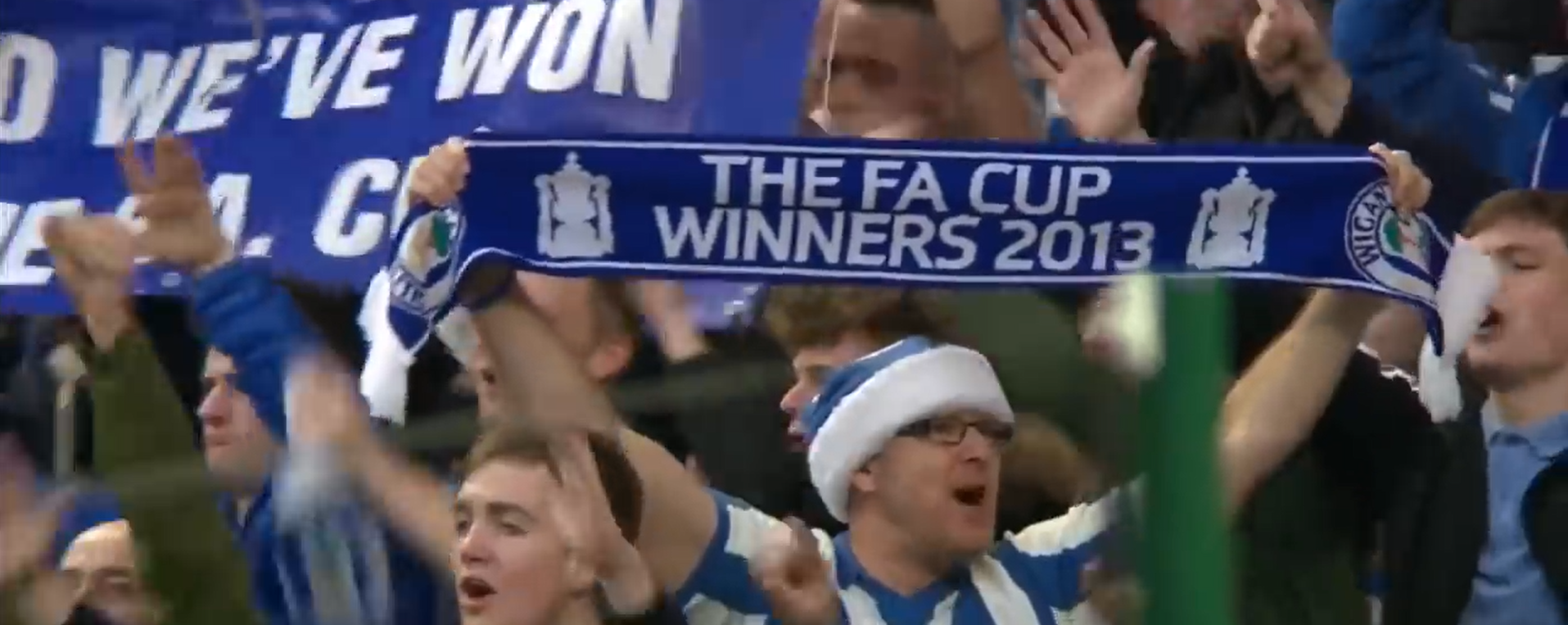
Wigan Athletic (2020/21)- Administration after financial strains following the COVID-19 pandemic. Only 7 years after winning the FA Cup.
Wigan Athletic (2020/21)- Administration after financial strains following the COVID-19 pandemic. Only 7 years after winning the FA Cup.

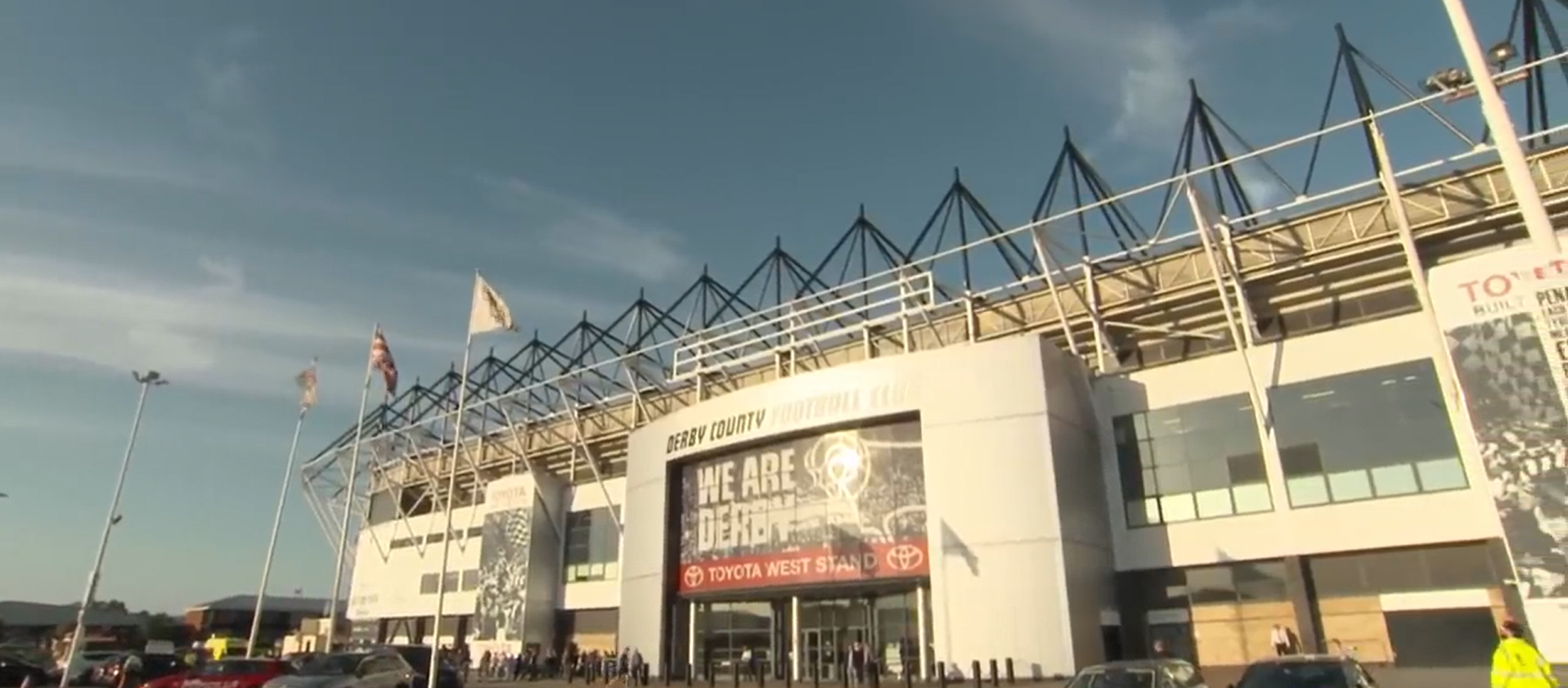
Derby County (2021/22)- Went into administration following significant debts accumulated while trying to gain promotion to the Premier League.
Derby County (2021/22)- Went into administration following significant debts accumulated while trying to gain promotion to the Premier League.

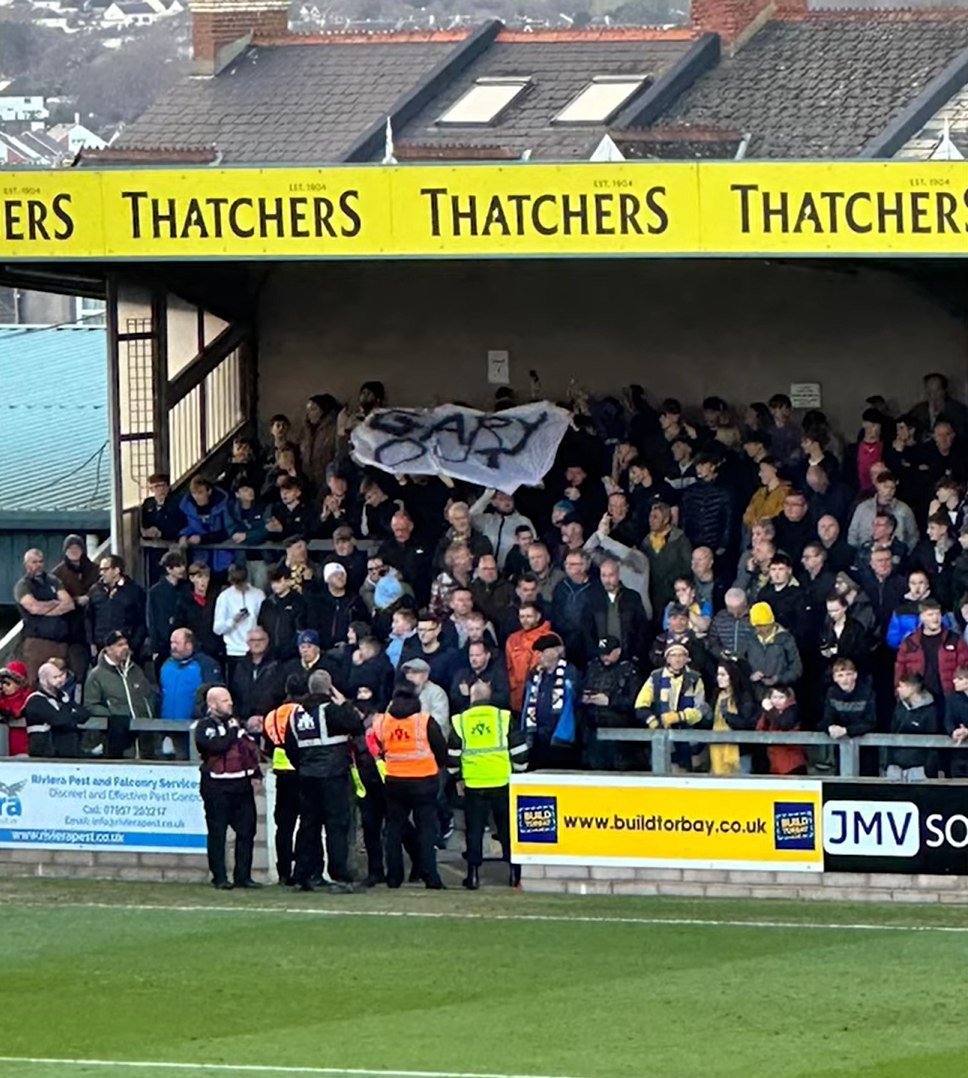
Torquay United (2024)- Significant debts led to administration. It followed the owner attempting to turn the stadium into housing.
Torquay United (2024)- Significant debts led to administration. It followed the owner attempting to turn the stadium into housing.
The problem with football finance
English football has become a victim of the financial success of the Premier League, with the top division now being a financial utopia that has trickled down into the lower leagues.
Since 2019, five Football League clubs have entered administration (see pictures on the left).
In 2022/23, Deloitte reported that the average revenue per club in the Prem was £303m compared to £31.2m in the Championship.
This disparity has led to a race to the top that has caused clubs in the Champ to spend beyond their means, using money that they do not actually have and instead spending projected incomes that promotion would bring.
Derby County and Reading, to name a couple, have fell victim to this and were left with major financial blackholes as a result of failing to secure promotions.
Even in the leagues below that, clubs such as Wrexham have spent huge amounts of money to try and get up the leagues, as the gaps between League Two, League One and the Championship are huge financially.
Wrexham alone lost £7,841,912 according to their accounts in the two financial years ending 2023 and 2024, with the bill needing to be footed by owners.
While Hollywood actors Ryan Reynolds and Rob McElhenney can afford it, other clubs are not as fortunate to have owners with deep pockets.
Business management consultancy firm Lane, Clark and Peacock found that 38 clubs out of the 72 in the EFL are dependent on owner funding in continuing operations.
If that funding is suddenly cut, or an owner becomes disinterested as was Reading’s case, those clubs are not self-sufficient and are at serious risk of going bust.
The future of many football teams currently depends on how much their owner is willing to lose, instead of trying to become a profit-making enterprise.
Reading's case
Current owner Dai Yongge acquired the club in May 2017, just a day before Reading's Championship playoff final against Huddersfield Town. The game was dubbed 'The richest game in football' , due to the money that promotion to the Premier League would bring.
Huddersfield won on penalties and became approximately £100 million richer overnight, while Reading had to stay in the second tier.
As a brief bit of context about Yongge , two football clubs had already gone bust under his stewardship, Beijing Renhe and KSV Roeselare.
A representative from Reading protest group Sell Before We Dai spoke on Yongge's suitability of owning a football club given his previous track record.
They said:
“The EFL have let us down by allowing Dai Yongge to become owner of Reading in the first place, bearing in mind his track record with owning two other clubs who were both liquidated. For us that should have been a red flag that he is irresponsible and should not have been allowed to buy Reading.”
He had also previously failed the Premier League's ownership tests, unsuccessfully trying to buy Hull City in 2016.
For the next couple of years, Yongge funded the club excessively to try and get the club promoted.
The figure on the right shows that in four of the five years listed, Reading spent more on wages than their entire turnover, in a bid to get promoted. (Figures in £s)
2020 was the worst year for it, with £33,296,447 being spent on wages, but only £17,767,865 was actually brought in revenue wise.
While any owner spending a lot of money to try and achieve success is commendable to some extent, it also throws into the balance the future financial sustainability of the club.
Sell Before We Dai explained their views on his spending:
“What the Dai Yongge era has shown is that he is very naïve when it comes to football clubs.”
Reading soon became a club which was dependent on ownership funding, which put the financial fate of the club in Yongge's hands.
On the pitch, they struggled and got nowhere near to promotion, actually finding themselves near the relegation zone.
As results got worse, the owner became increasingly less interested in funding the club. By this point, the club was no longer financially stable due to the high spending of the past couple of years and the huge gap in revenue that was 'lost' as soon as they failed to beat Huddersfield.
During the 2020/21 season, they were penalised with a six-point deduction following a breach of Financial Fair Play regulations. They had lost £57.8 million between 2017 and 2021, almost £20m more than the maximum £39m that the EFL permits.

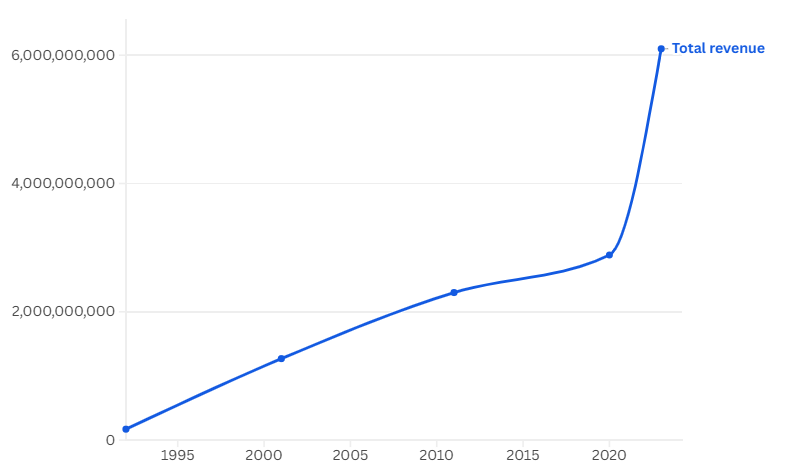
Total revenue of the Premier League.
Total revenue of the Premier League.

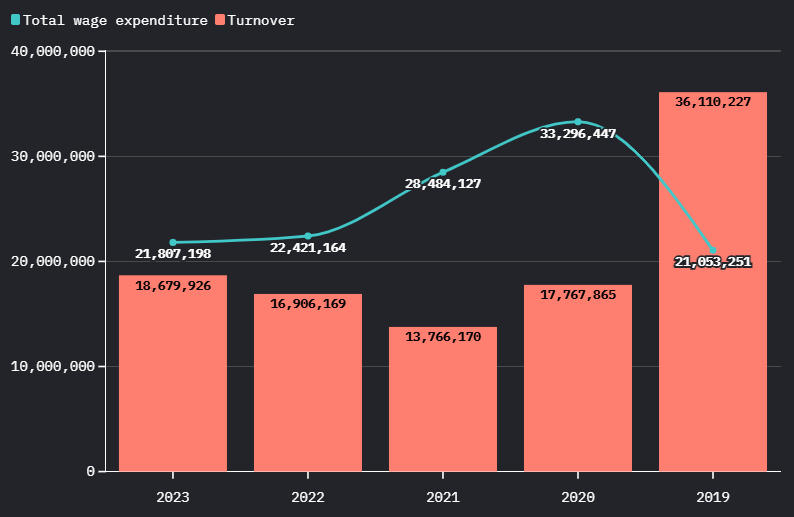
Reading's wage expenditure v turnover for the listed years.
Reading's wage expenditure v turnover for the listed years.
Comparison with Bury
Bury FC have already fallen to the fate that Reading hopefully won't, having gone bust and been forced to restart from the very bottom of the football pyramid.
Steve Dale was allowed to buy the club, who already had large debts due to previous ownership by Stewart Day, despite the fact that the majority of his business empire consisted of asset stripping companies and forcing them into administration.
After being given 14 days to sell the club by the EFL, he rejected myriad offers and Bury were expelled.
Yongge keeps being given extensions to sell the club, which at present run until May 5th. If he does not sell Reading by this time, they may face the same fate that Bury did.
If Reading were to go bust, it could have a detrimental impact on the town and community, like it has had on Bury.
Lifelong Bury resident and fan of the club Julie Green spoke on the impact that the club going bust had on her and the community:
"People looked forward to going to the matches, but when they went bust, it was just like everyone in the town was upset. It meant the world to a lot of people and they felt a bit lost without the team being there."
What is next for English football?
An independent regulator has been requested by countless fan groups and has been discussed in Parliament, with many seeing it as the only way for football to fix itself financially.
An independent regulator would introduce stronger oversight, enforce financial sustainability rules, and ensure fit-and-proper ownership tests are rigorous and transparent. This would help prevent owners from exploiting clubs or running them into debt without consequences.
Regarding an independent regulator, Sell Before We Dai said:
“There needs to be better regulation and governance because if you leave it to the EFL and Premier League to work it out for themselves then it isn’t happening.
“It's shameful that the two sides can’t come together and work out some form of arrangement, clearly that reinforces the need for a regulator.
“The EFL's regulations don’t do enough to prevent clubs from going down the pan. This is a real lesson that EFL regulations must be strong enough to remove rogue owners who don’t fund clubs and put the clubs at risk for the future.”
Crucially, a regulator would prioritise the long-term interests of clubs, fans, and communities rather than short-term profits.
With fairer governance, clubs would have a better chance of survival and growth, regardless of their league position. An independent body could also help balance the financial disparities between the Premier League and lower tiers, promoting competitive integrity.
Ultimately, a regulator could help restore trust in football governance and protect the game for future generations.
The Premier League has repeatedly argued that English football is capable of regulating itself, and said it is critical that any external regulation is "proportionate".
It has also warned of:
"Unintended consequences of legislation that could weaken the competitiveness and appeal of English football."
 Built with Shorthand